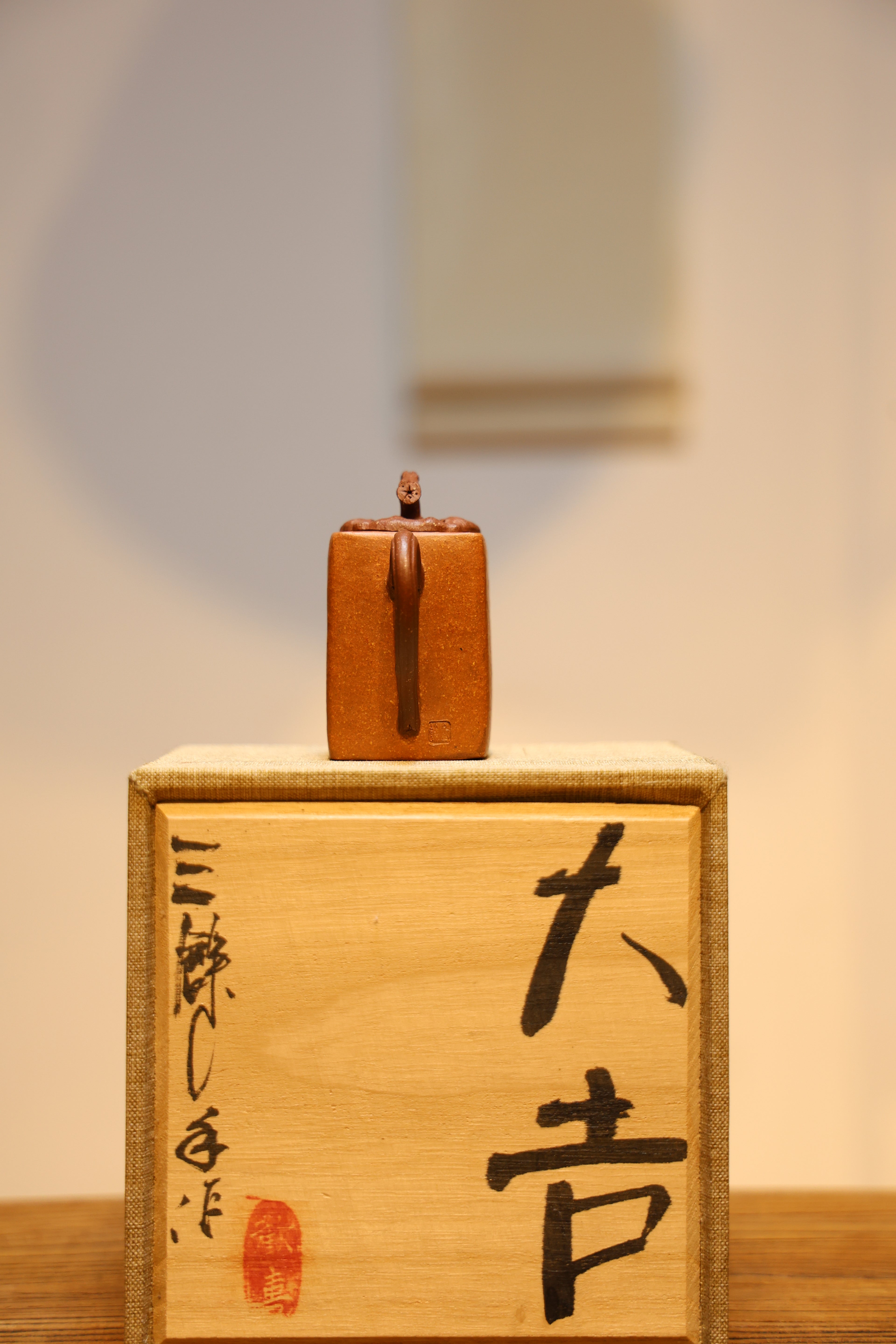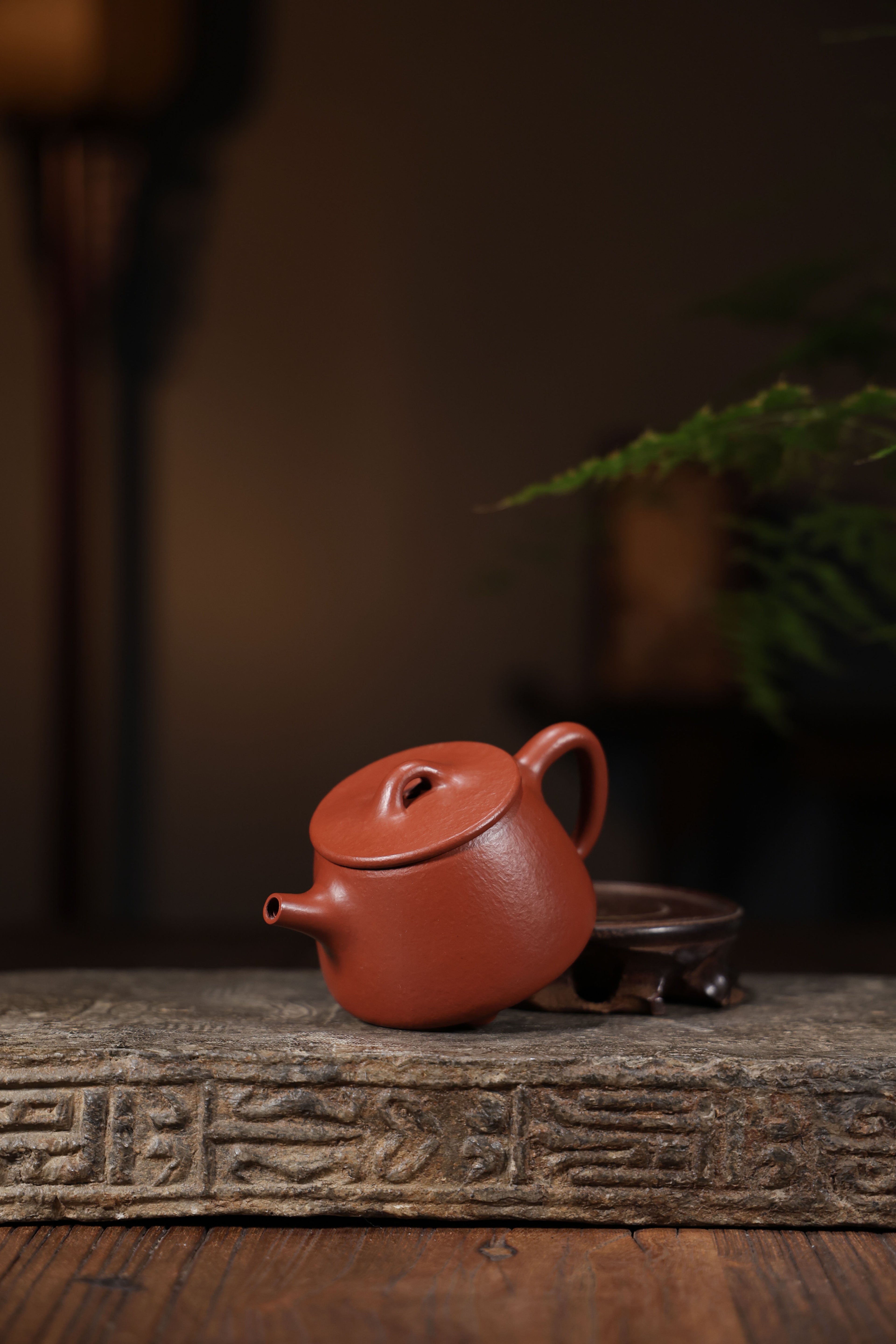
Epochs in fans have long pursued the particular magnetism of Yixing Zisha flasks. Born in the secluded town of Yixing, China, these amphorae are created from a scarce and dug purple clay famous for its remarkable thermal properties and facility to amplify the bouquet of infusions. Apart from their valuable asset, Zisha teapots express a deep cultural roots, transforming them immensely prized and a veritable masterpiece for any serious teapot connoisseur.
Discovering Yixing Earthenware
Yixing teapots display a unusual fusion of history and experienced craftsmanship. Rooted in Yixing, Jiangsu Province of China, their narrative begins from the Ming Dynasty, although proof suggest earlier forms. The unparalleled purplish clay, called Zisha, found just in the Yixing region, is the crucial component, contributing to the pots' superior heat conservation and the manner they impact the notes of tea. Periods of potters have mastered techniques—often handed over through families—including designing the clay, applying complex embellishments, and firing the pots at precise temperatures.- Initially, Yixing teapots were often ornamented with simple designs.
- Thereafter, more sophisticated carvings and expressive motifs became common.
- The baking procedure itself is a pivotal element, requiring decades of practice.
Gathering Zisha Teapots: Fundamental Factors
Launching a mission to gather Zisha containers can be rewarding, but it’s vital to discern what to look for. Authenticity is essential; focus on the potter’s natural tint, a understated reddish-brown is common. Examine the quality; genuine Zisha has a remarkable tactile sensation, often portrayed as slightly coarse. The outline should be pleasing and consistent with historical styles, while inscriptions, if present, require painstaking examination for authenticity. Don’t hold back to consult with professional consultants or established authorities – their wisdom is essential.
Renowned Vessels: Examining the Culture of famous Ceramics
Centuries have seen Yixing Purple Clay teapots Yixing Teapot occupy a important role in Chinese legacy. These artfully designed pots, sourced uniquely from the district of Yixing, are well-known for their peculiar pigmentation, nature, and their ability to heighten the aroma of decoctions. Various collectors acquire antique Yixing teapots, valuing them greatly not only for their aesthetic beauty, but also for the story they stand for.
Yixing Zisha Teapots: Such Top Selections and Their Aspects
Ming Clay teapots, established in the regional region of Yixing, China, are celebrated for their uncommon clay and first-rate brewing characteristics. In the diverse Zisha types, specific categories that are highly valued include Qingtian. Binzhou, known for its strong purple shade and silky texture, delivers a soft flavor. Duan Ni subclass, recognizable by its brownish color and slightly grainy feel, is perceived to enhance a depth. Lastly, Zhuni clay boasts an rare burgundy tone and can deliver a delightful nuance. Each variety supplies a varied experience, causing them highly desirable between infusion enthusiasts.
Brewing Perfection Specific Pottery Vessel
To tap into the capability of your Yixing vessel, knowing the correct way is vital. These clay receptacles, celebrated for their passability, will progressively accept the core of the tea you steep within them. Begin by purifying the vessel thoroughly with steaming water. Then, use only fine loose leaf tea, as lower quality options can impair the container’s delicate flavor profile. Always permit the leaves to open completely, and remember that with each preparation, your Yixing kettle will become gradually cherished.
Conserving Your Cherished Zisha Relic
Proper attention for your Zisha urn is vital to sustaining its longevity and esteem. Zisha clay, known for its unique cast and composition, requires attentive handling. Never use intense chemicals, as these can wreck the finish. After every employing, rinse the teapot with mild water and allow it to cool off completely.
- Do not soaking the pitcher for extended sessions.
- From time to time use a soft polishing cloth to clean the exterior.
- Reflect on applying a thin layer of food-grade balm inside the kettle after drying, which can curb staining.
Introduction to Yixing Earthenware
Yixing brew vessels, originating from the Yixing district in Jiangsu Province, China, are celebrated for their distinctive attributes. Created from the unique purple soil known as Zisha, these jars are prized by liquid enthusiasts worldwide. This summary will simply explain the core elements – covering forms of Zisha composite, prevailing shapes, and important care guidance. Understanding the tradition of Yixing kettles can expand your appreciation for this classic example of Asian artistry.
Mastery of Han Pitchers: Showcasing Zisha from the Yixing region
Zisha ware from the Yixing area represents the summit of Han kettle design, projecting a exceptional composition of genuine beauty and hands-on artistry. These extraordinary pieces are renowned for their rich color palettes, often ranging from deep purples and rust hues to subtle greys and delicate beiges. The salient mineral composition of the local Zisha clay imparts a noteworthy texture and delivers a welcoming aroma that amplifies the aggregate drink experience, resulting in them greatly prized collectibles and vital components of any serious tea.